Thursday, 29 May 2014

Steampunk Tourism : Seaplane , Float Planes & Flying Boats


Amphibious Air Travel & Touring

NZ tourism is announcing the return of the Seaplane. 

 Travel,excursion and delivery will again take on the excitement, adventure & exhilaration of sea flight.

The Flying Boats, Float Boats, Amphibian and Hydro Plane flights that once connected the coves & and coastal communities,the isolated inland areas that boat and vehicular transport couldn't reach.


New Zealand is a Steampunk Nation


New Zealand was at the forefront of sea plane travel,transport and construction from the early 1910s.
The Pacific region and New Zealand were early adopters of aviation. Their far flung island nations had destinations that required speedy and efficient travel & transport that could take off and land on a diverse range of locations. NZ and The Pacific Islands are mountainous and coastal; with lakes, volcanoes and other features that made landing strips difficult and lent themselves to marine take off and landing.


 march 1910 1st seaplane flight, France.  At the controls of the Canard was Henri Fabre, a 28-year old engineer from Marseilles. 


Port Morseby Papua New Guinea 


Brothers Walsh  built this British-designed Howard Wright biplane [above]from imported plans. It was flown  at Auckland  February 1911 – the first officially-recorded flight in New Zealand.  Vivian is  in the pilot’s seat,  Glencora Park in Papakura ,  circa time of the first flight.


early delivery service Auckland


 Wellington Evans bay


 Walsh Brothers Flying School

The New Zealand Flying School formed in 1915, by the Walsh Brothers, Leo and Vivian, to train pilots for the Royal Flying Corps. The school flew a fleet of home-built and imported flying boats from Mission Bay on Auckland's Waitemata Harbour. Over 100 pilots trained at the school to serve in the First World War as Flying Aces.

 The Walsh brothers imported 2 Boeing planes in 1918. This was Boeing's 1st commercial sale. 

On June 25, 1919 the B&W set a New Zealand altitude record of 6,500 feet. The B & Ws were later used for express and airmail deliveries, making New Zealand's first official airmail flight on December 16, 1919.


 St Helliers Bay Auckland,  Amphibian  plane visit 1923


Howick Beach where there was a regular excursion and delivery Flying plane into the 1950s

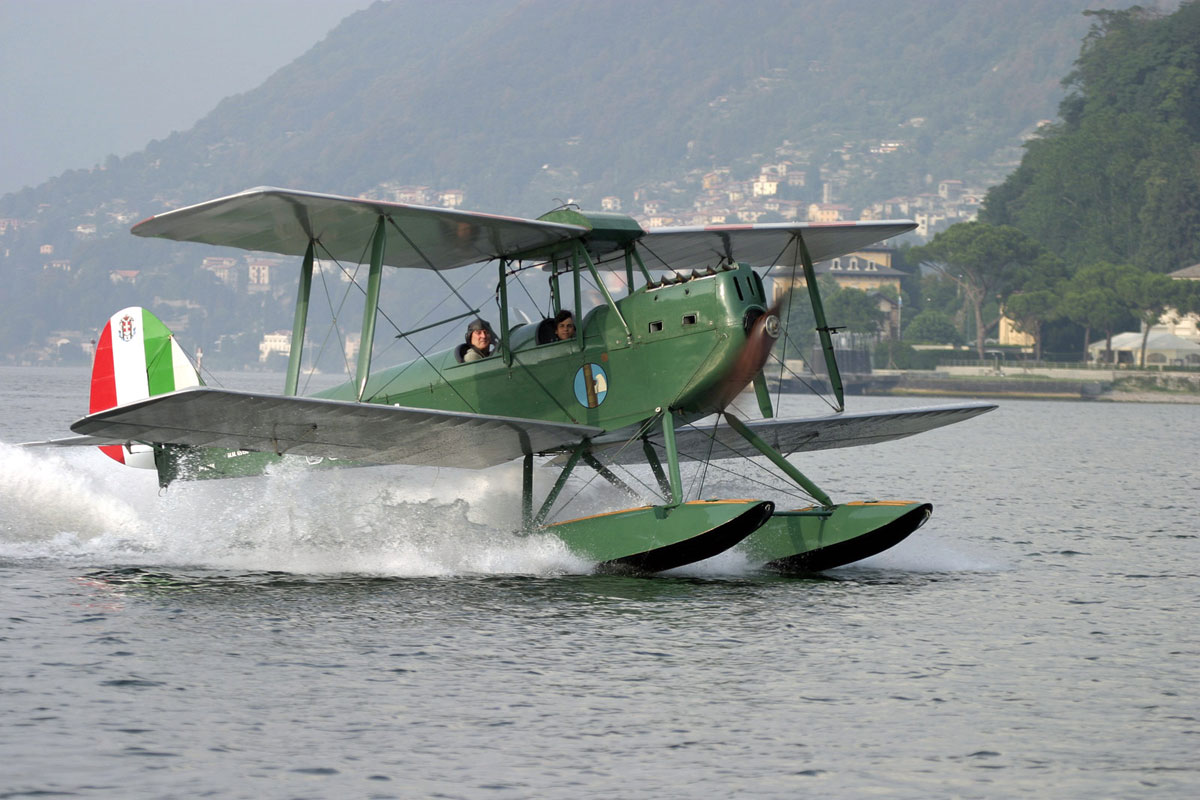
Other scenic excursion and utility  sea and float planes are flying below it


[Aviator Clutch Cargo flew a float plane similar to this]


 Untapped Water Tourism

New Zealand has wildly varying topography of mountain,river coast,snow and sand. Where remote parts are still inaccessible by road or boat.

Many small planes are still manufactured with ski and floater options to access more extreme locations.

   Marine or amphibian flight became less popular as progress and development marched on. Water landing and take off require water clear of debris and  a predictable low wave height.    


  Day trippers


                                                                                  & distance travelers


all the airfield that is required

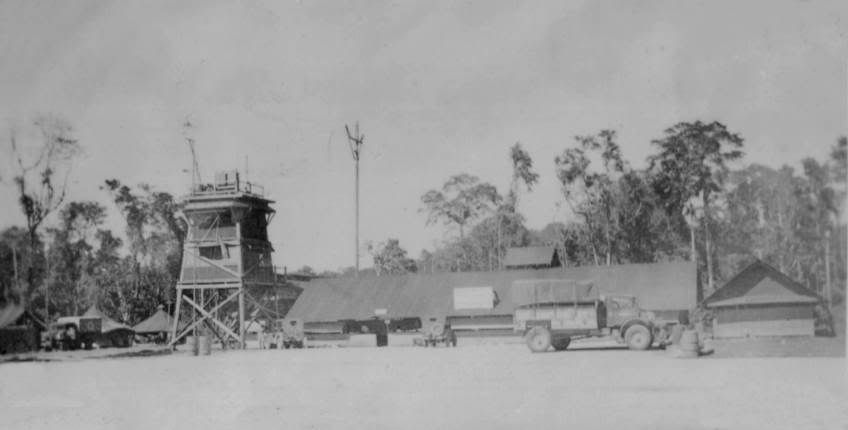
 Vanuatu circa WW2


New Zealand the Steampunk Nation


Let your Imagination take flight


  Everyone in Auckland will come out to the International Airport to greet you


[feel free to offer any historic corrections in the comments below]

Tuesday, 4 March 2014

Antipodean Revival Decor : Revamping your home Steampunk style


Antipodean  Revival  : Living the Dream Colonial Styles


 [NZ the 1st country in the world to see the sunrise ]


Antipodean Revival harks back to the era of  Empire, expedition and exploration of the far flung colonies in the Southern Seas. These strange and unfamiliar new lands  of New Zealand,  Australia and the Pacific Islands  in the Southern Hemisphere were  known in the 1800s as the Antipodes.


 Military, travel, trade and  other colonial adventures in India, Indonesia, Indochine,  Antractica, South America, South Africa and other Southern  places were a strong influence in house architecture and interiors  at the edge of the Empire.


Java,Jakarta, Kuala  Lumpur, Burma, Singapore, Macau,  Durban, Bolivia, Argentina, Tonga, Samoa,  Hawaii, Tahiti, Rangitikei ; names  evoking the spirit and romance of the moment were all on the itinerary


 A warm climate and vast coastline  make living and playing by the sea side a  lifestyle


 The charm of the bungalow, villa, verandah, picnic and regatta of the Antipodean epoch  - blowing in from the trade winds of foreign travel.


Come on in and look around


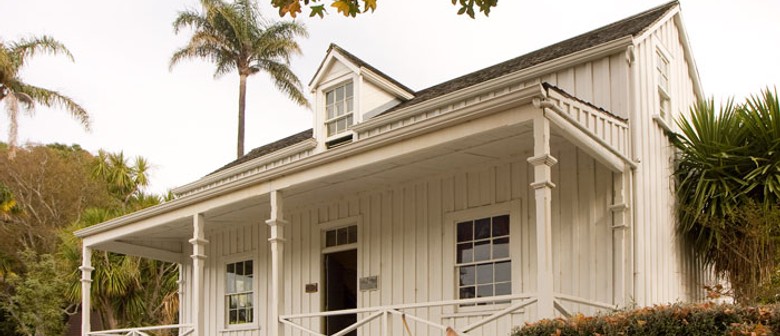
  The defining features, finials, fret work, lattice work, cornices all speak to us with an exotic and occidental accent. 


 The architectural features of colonial homes in the balmy equatorial, tropical to temperate climes were large high windows, doors and ceilings along with ornate air vents and fans to make the most of natural light and air flow to keep houses cool. Sunlight hours are longer and the rays stronger in these environments. Blinds and shutters kept the elements out at night.


Colinisation of he Antipodes began in the Regency period [late 1700s]. The original furniture,furnishings and homes of the settlers,traders and travelers were of this era; whether it came with them aboard ship, bought from importers,local manufacturers or home made from native timber. Gothic Revival was big at the time and a great influence in the Antipodes. Victorian embellishment was shipped in a little later.

#
Bold and darker regency colours & Victorian trends with pigment paints imported from the old country .


 or the later clear neutral lime wash based colours reflecting light and  coolness. It also reflected the missionary influence of restraint, modesty and humility particularly in New Zealand.


Garret rooms  and Dormer  Windows  in the Attic Space.  

Every corner of a home, small by necessity, were used. Older children,lodgers and labourers were banished upstairs[or more often a ladder]


 Beds, frequently no more than boxed stretchers were usually shared 2 or more to a bed. 


  The Little Room.

 simple elegance


a splash of colour from pigment palette


 for more authentic bathing of the period
 

 [whore's bath] actual ablutions and bathing for most folk during the era


rudimentary bathroom in a lean to add on; combined with laundry in  the wash house. Modern luxury of the times.


Mercantile and Commercial Premises


[the beard in keeping with the original Antipodean Revival style of the building]


Clutter, mementos and souvenirs were not just for the home.


 Furniture, Furnishings and Accoutrement


The convenience and simplicity of campaign furniture and fold up apparatus made common appearance in the colonial home for practical reasons.


 Top  Tips for Decor & Accessorising  in the Antipodean Revival Style


Pallette cards  from the regency era


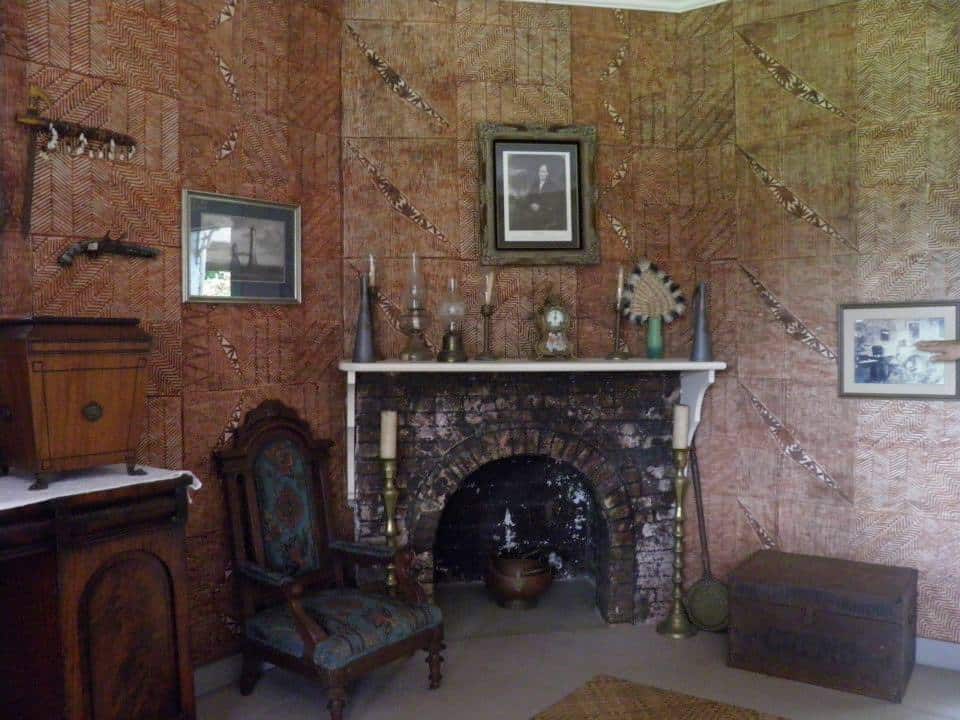
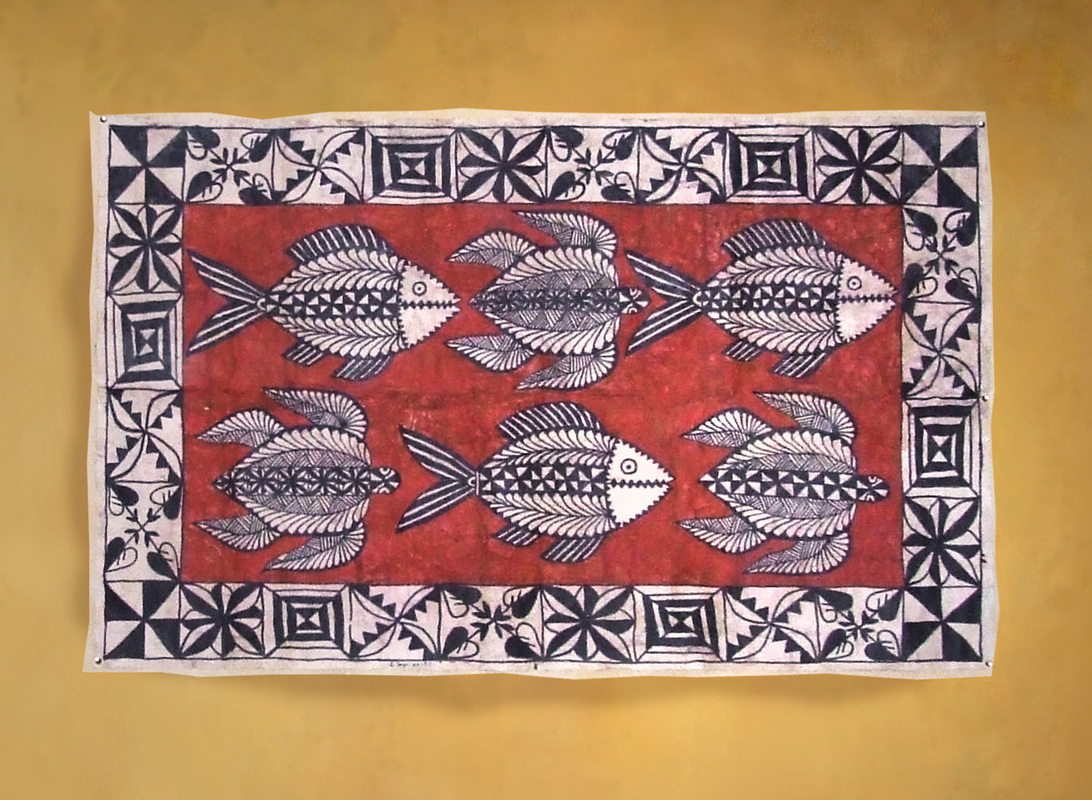
 Polynesian Tapa cloth and ornament


Occidental, Oriental fabrics & Prints


Chinoiserie style home ware and furniture


 Collections of unusual object d'art  and natural science.


Architecture of the Antipodean Period


      A Quiet Repose on the  verandah is just the tonic -  with a hint of quinine.